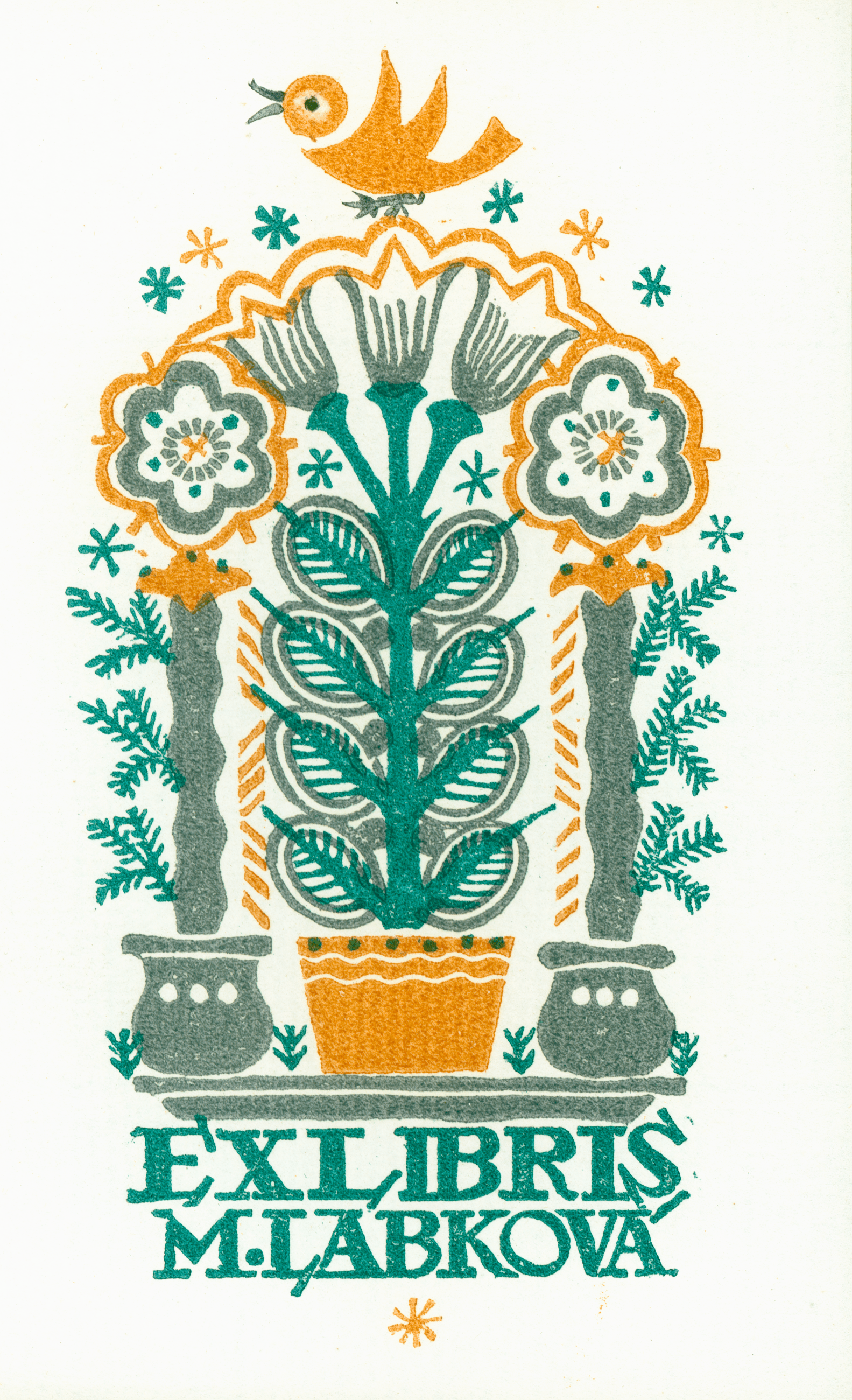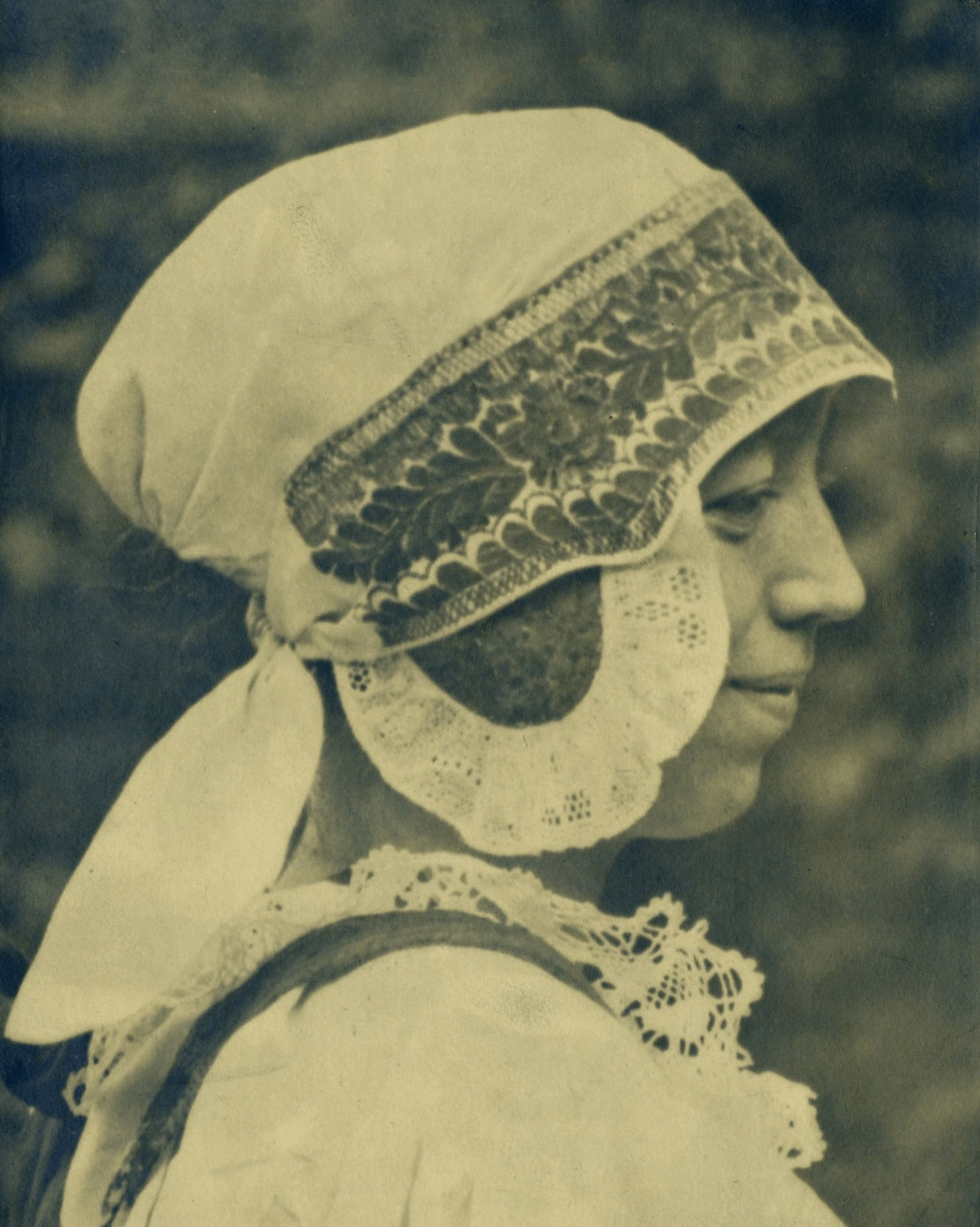
Source: ZČM (NMP), collection: ZČM/001 - 07 - 30/018001, inv. no.: NMP 5650, subcollection: 11-ethnographic, collection fund: photographs.
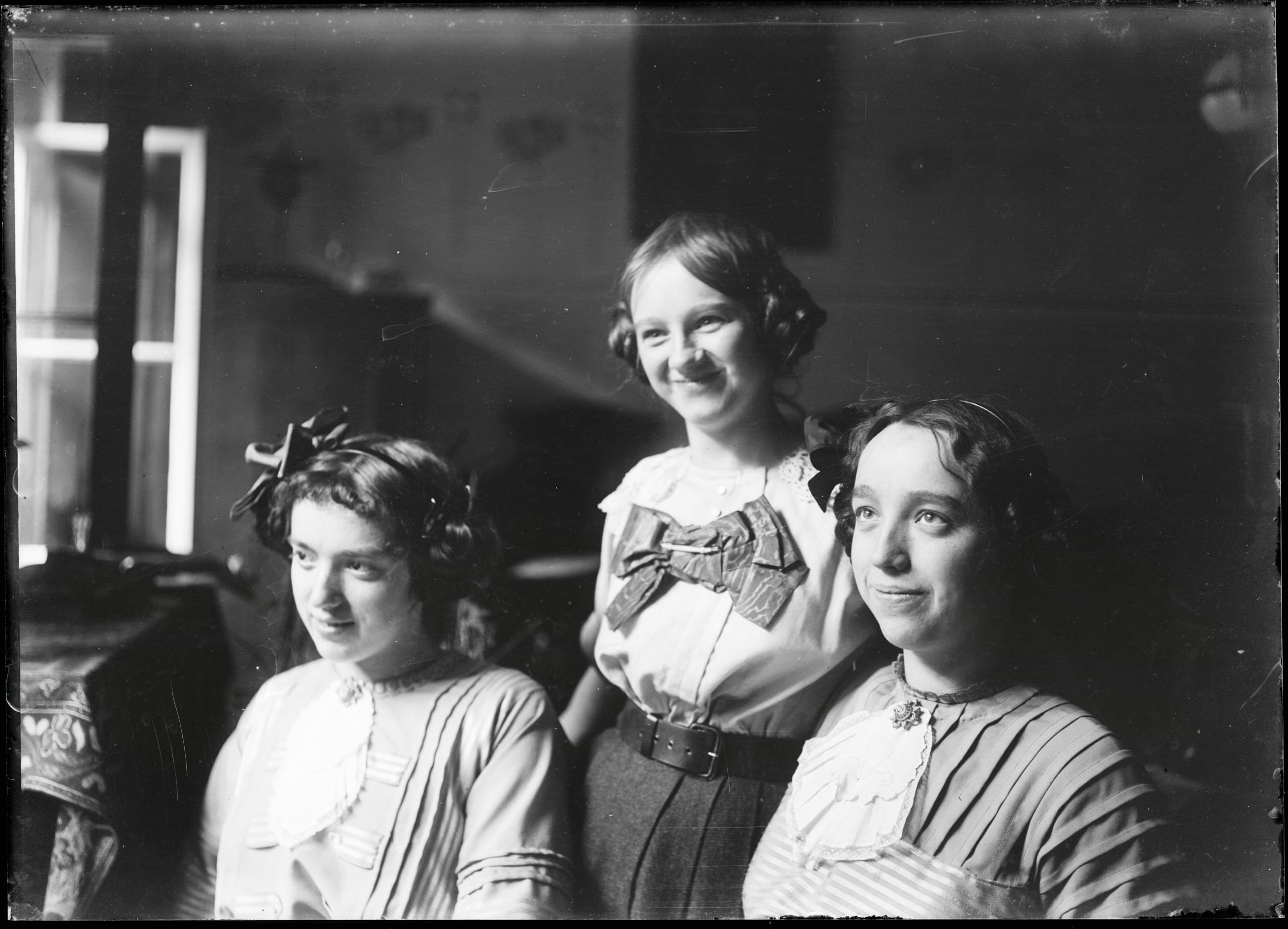
Marie Lábková
Ethnographic worker, collector of folk textiles and field memories, stationery shop owner, and sister of Ladislav Lábek, founder of the Ethnographic Museum of the Pilsen Region.
Marie was born in Pilsen on 3 December 1892 into the Lábek merchant family as the third of four children. Her father František was a merchant and her mother was Kateřina Lábková, née Ulčová. The whole family was patriotically minded, and all the siblings received support in their activities.
Marie Lábková's private collection later became a valuable part of the collection of the Ethnographic Museum of the Pilsen Region.
Although she had no formal education, her dedication, systematic approach and critical thinking were, for her time, the expression of an emancipated and progressive woman.
She died in Pilsen in 1965.
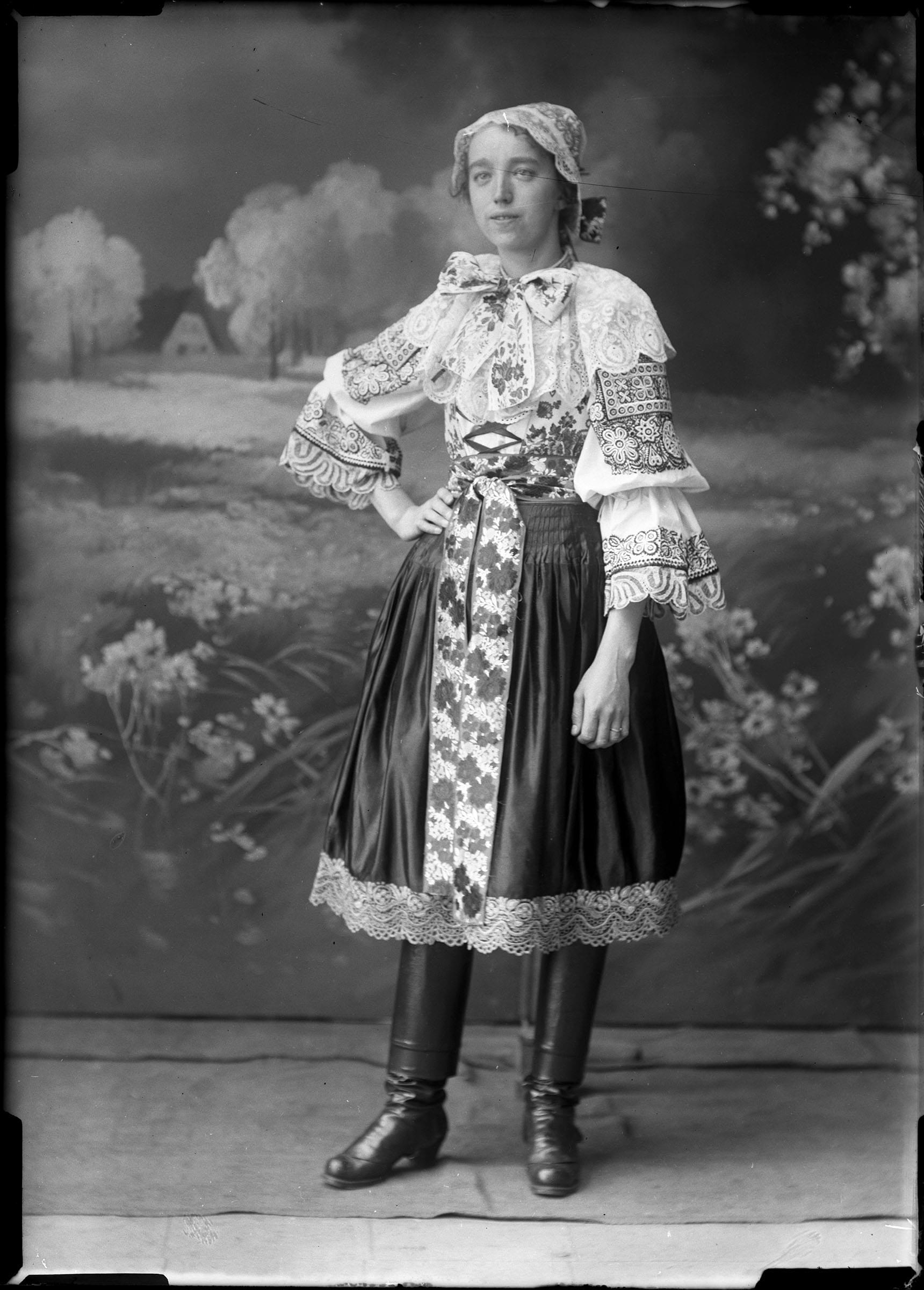
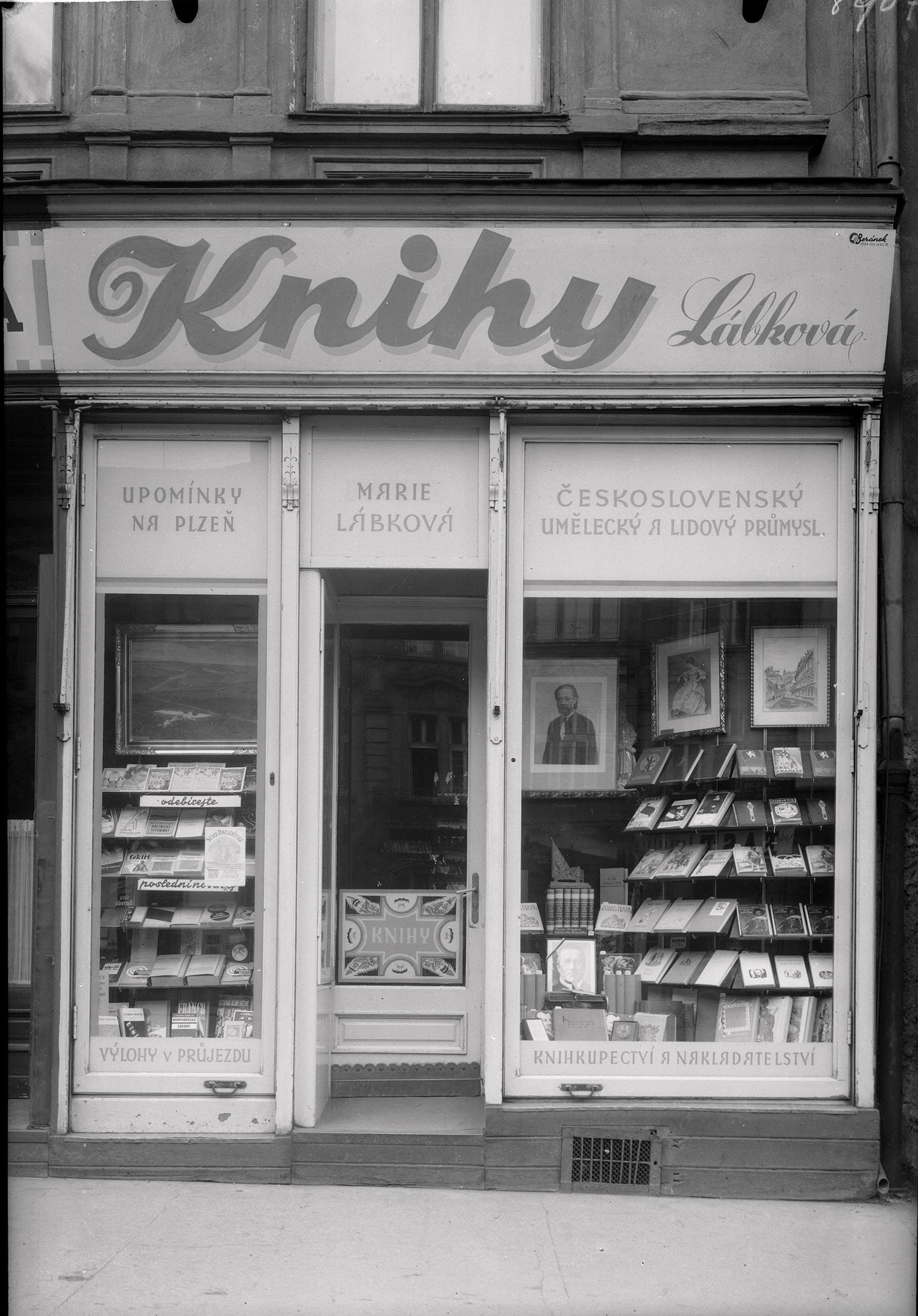
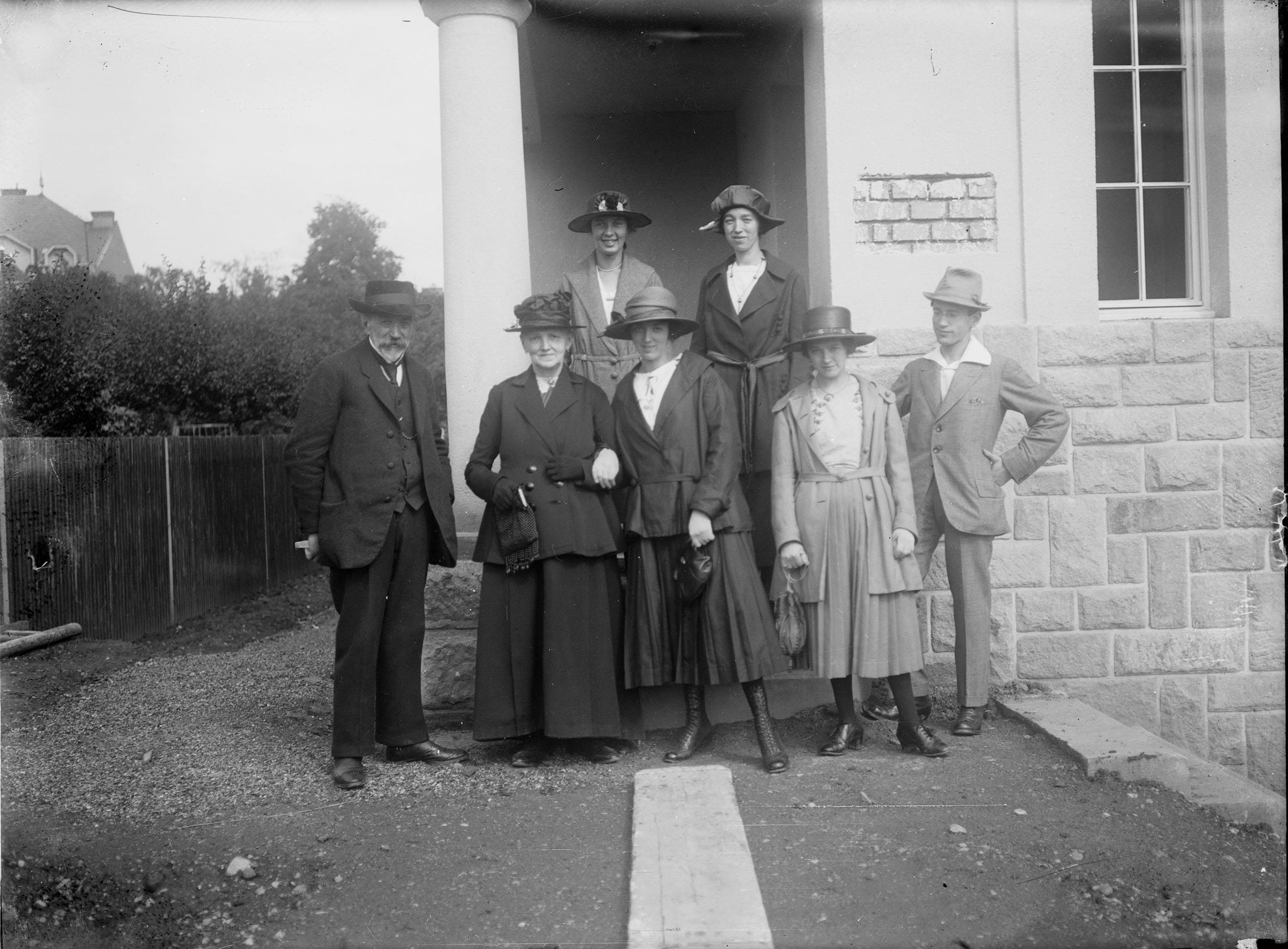
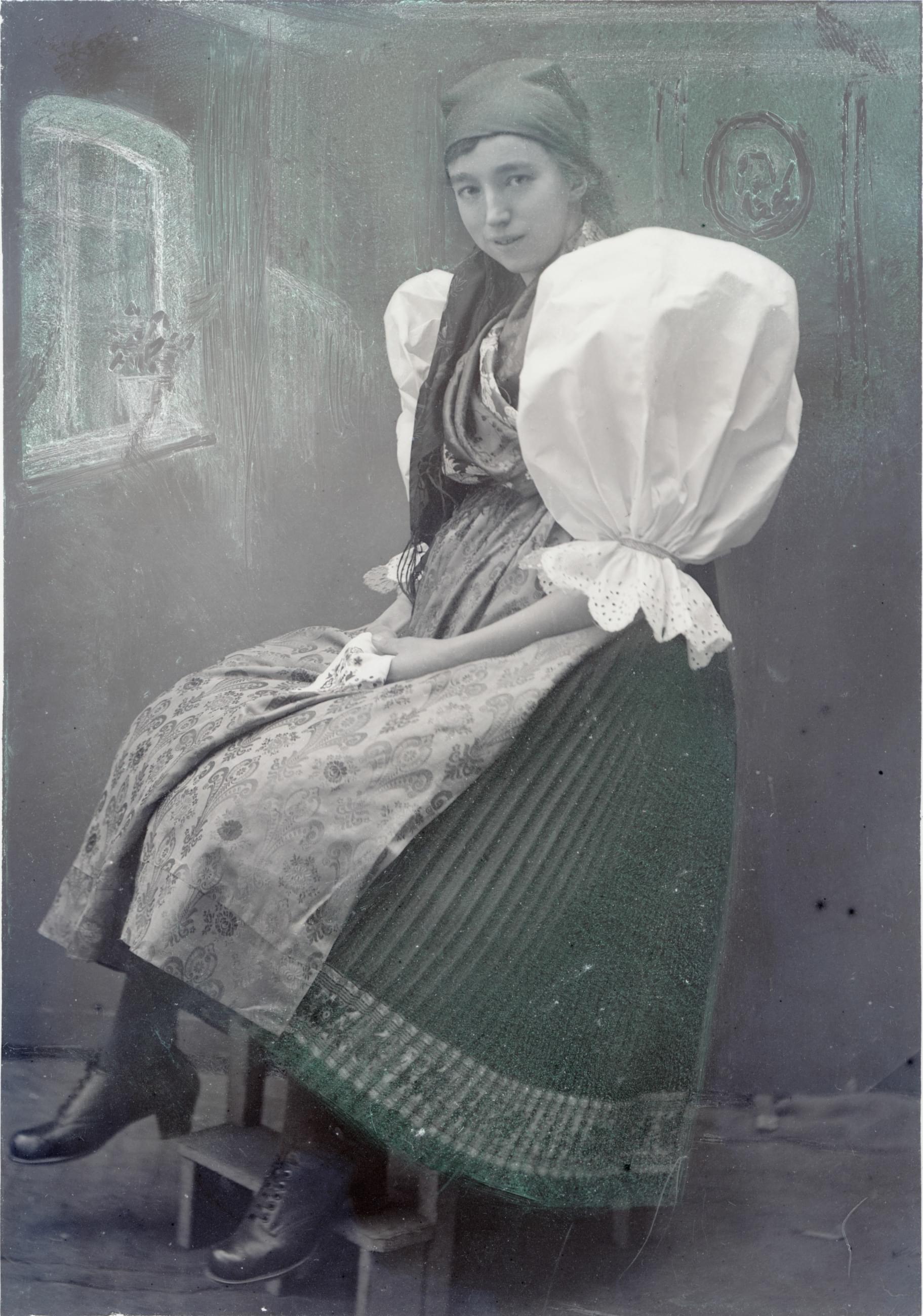
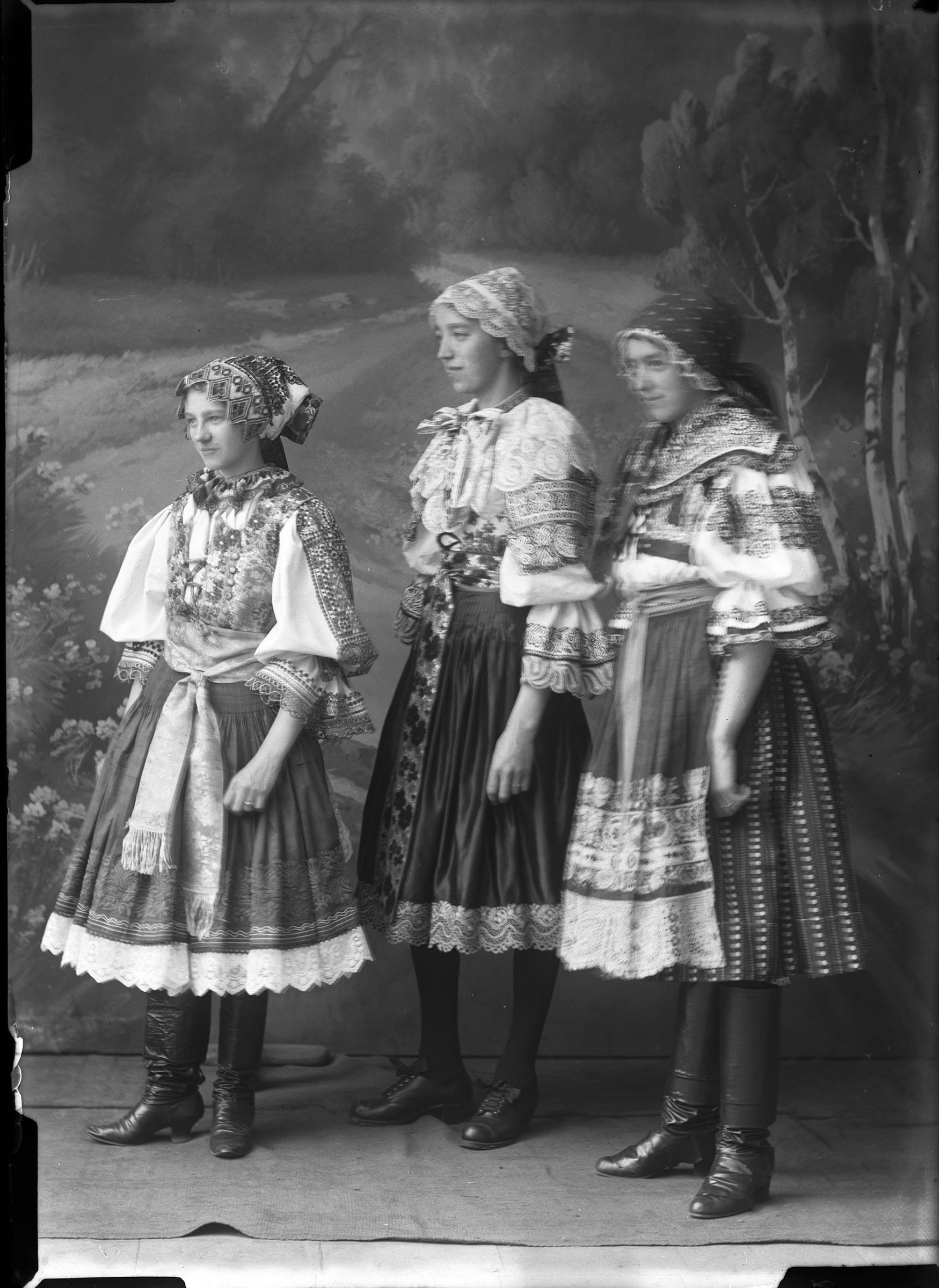
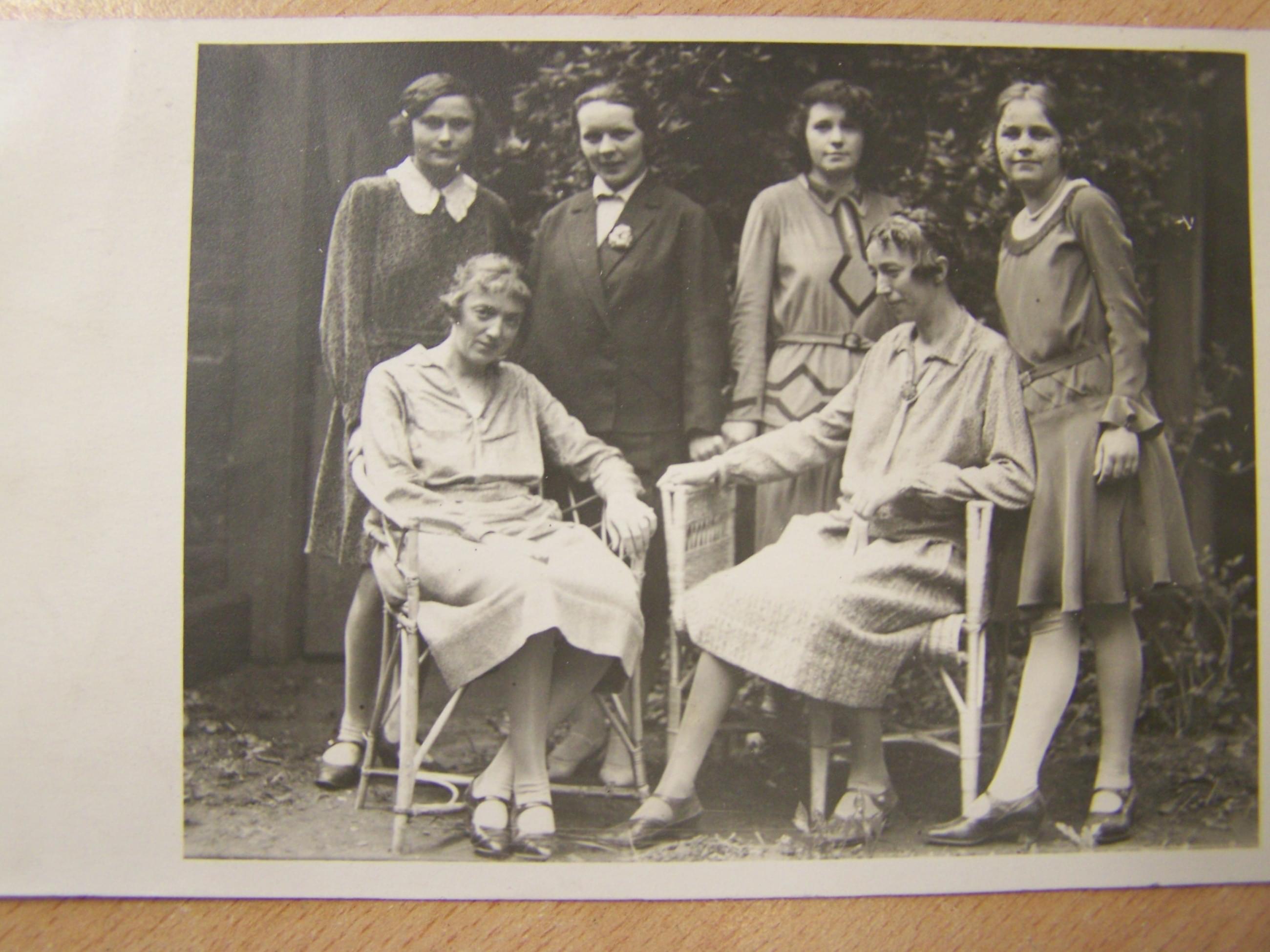
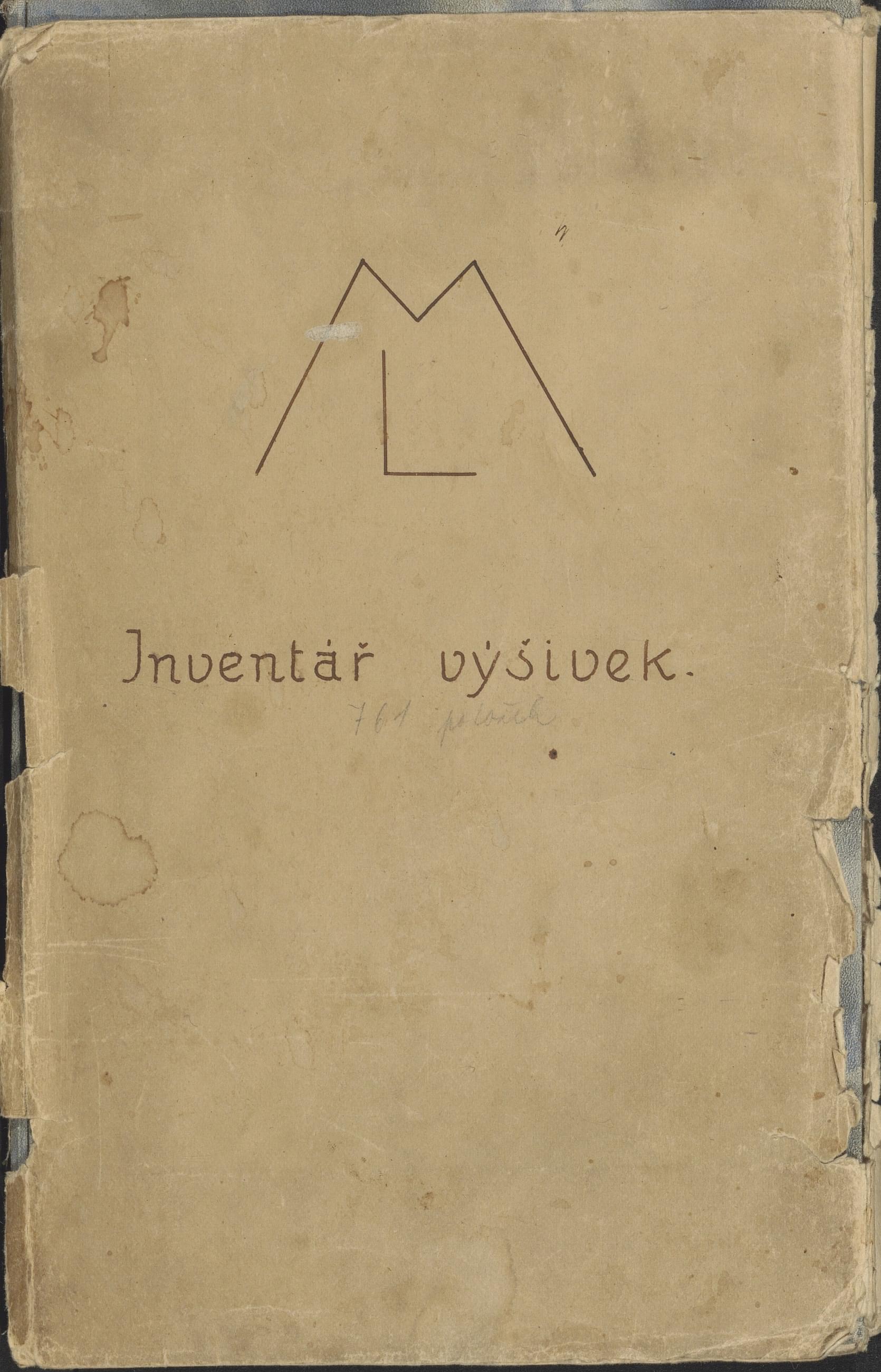
Folklorist and collector of folk dress Marie Lábková devoted her life to studying the clothing of rural communities. Thanks to her field collecting, careful records and descriptions of objects acquired in parts of western Bohemia, we can now more easily identify and classify individual clothing components. Her unquestionable contribution as an ethnographic worker was the recording of individual costume regions. Alongside the Pilsen region and its natural centres, she also documented transitional costume areas and the so-called wider Pilsen region.
Today we define the Pilsen region together with its original adjacent villages. Other costume regions form a ring around Pilsen: to the north and north-east lie Kralovicko and Plasko; to the east and partly south-east are Radnicko and Rokycansko; to the south-west is Liticko with the predominantly German-speaking Chotěšovsko; nearby are Czech-speaking enclaves around Stříbro, the so-called Stříbrsko; and from the west the ring is closed by Touškovsko.
Marie Lábková's private collection focused largely on embroideries, and was therefore substantially represented by large embroidered headscarves worn by married women in these costume regions. The ML Archive is dedicated to this forgotten art of embroidery.
Headscarves called "pleny"
According to the study Embroidered Linen Headscarves, headscarves in western Bohemia are of two types:
- large earlier "ubrusy", more than 1.5 metres square, carried in the hand mainly by married women in bad weather or during mourning.
- smaller earlier "sweat scarves", or fazaletty, 50 to 80 cm square, worn mainly by unmarried girls.
In the 18th century, when the older form of head covering ceased to be worn here, these scarves became true articles of clothing, and their decoration had to adapt to this new purpose. The size of the earlier "ubrusy" remained only in the Hradišťsko and Přešticko regions; elsewhere the scarves came closer, in both size and decoration, to the earlier and always ornamental fazaletty.
The first embroidered headscarves were still, like earlier small scarves, embroidered along all four sides and in the corners, using coloured wool, thread or even silk. Wherever the choice of colour had survived from the 15th and 16th centuries, whether multicoloured, red only, or black, women adopted it for embroidering headscarves. From this point on, however, the scarves came to be called "pleny".
Not all regions of western Bohemia adopted the coloured embroidered plena as a regular head covering. Where white had lost its meaning as a colour of mourning, richly white-embroidered pleny quickly became established for everyday ceremonial use, perhaps under the influence of the great popularity of white embroidery in the second half of the 17th century. Chotěšovsko and Stříbrsko remained faithful to black embroidery on newly adopted pleny, while Plasko preferred coloured embroidery with a predominance of red and with decoration of coloured glass beads and golden metal spangles.
In Touškovsko, women embroidered with coloured cotton threads; in Hradišťsko, partly, with gold metal thread and spangles. Bezdružicko has white embroideries with coloured beads. Finally, Horšovskotýnsko used coloured wool and spangles for embroidery, later developing white embroidery with coloured outlined contours. Only in Chodsko did people continue to use the old original small scarves, embroidered either in red or in blue and red.
White-embroidered pleny in Chodsko differed from mourning pleny in that, instead of tie ends, they had a border around the embroidery with an attached lace made from unbleached yarn. To preserve the lace's yellow colour, it was never washed; before washing the cloth, women removed the lace and then sewed it back onto the clean plena.